



Tech-savvy trio want migrants to be heard
Tech-savvy trio want migrants to be heard
- “I couldn’t open a bank account without an address, and I couldn’t rent a place without a bank account. I just kept going round in circles.”
- “At the GP surgery the receptionist raised her voice slowly as if I couldn’t understand English. I understood every word. What I didn’t understand was why she spoke to me like a child.”
- “When I finally got my passport I went straight to the park and lay in the grass. The sky felt bigger that day.”
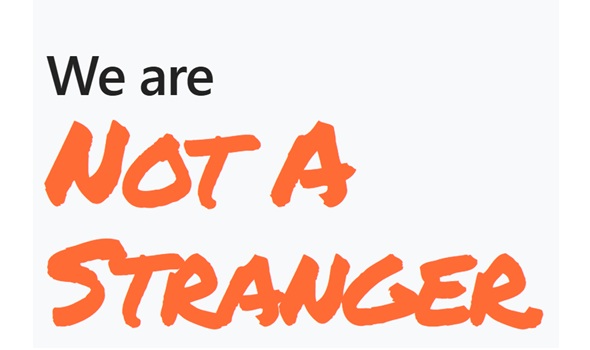
Each quote pops up on screen when you click on one of a forest of pins on placemarked.notastranger.org, an interactive UK map that is the brainchild of three tech migrants in London.
They were sparked into action by shock and anger, say Yung-Hsuan Wu, David Norton and Jyotsna “Jyo” Iyer: anger at claims that migrants were strangers interested only in taking benefits and resources — ignorant, hostile, febrile accusations that were echoed in Prime Minister Keir Starmer’s June 2025 “island of strangers” speech (for which he has since expressed regret).
"Before coming to the UK, I'd always thought of it as a tolerant and inclusive space," says Wu, "but when I moved here I found it astonishing that the new policy of the UK creates such hostility towards a group of people."
They were also motivated by the way immigration policy is being made without the full participation of migrants.
Wu, originally from Taiwan, is an AI auditor by day who spends his free time working on tech projects with a focus on civic engagement and empowerment. He moved to the UK “for its vibrant research culture in creating technology for social good”.
Norton is “a queer immigrant originally from the American South”, and a technologist with a background in community organising and digital engagement.
Jyo from Bangalore in India, works at a technology-based research institution and is “interested in pursuing a career where I can contribute to digital public services.”
They decided to use their digital skills to set up a charity to help migrants inform policymakers about their views.
“Tell them you are not a stranger,” urges their website.
"We wanted our communities to engage with the Home Office consultation", says Norton, "but realised the process itself excludes the very people it affects. How can the average person respond to a 60-page document that requires a lawyer to decode? That gap, between policy and the public, is what we are building tools to address.”
They are also creating an online space for migrants to share their stories and worries and inject a dose of humanity into the pervasive anti-immigration rhetoric.
“We want to counter the harmful narrative that paints those who came to this country in whatever circumstances as ‘freeloaders’ undeserving of the rights they already fought so hard to get,” Wu says.
“The alienating stance the government has taken and the narrative that ‘migrants must earn their place’ undermine the fact that migrants have always been part of the UK fabric.”
The biggest immediate problem for their organisation, Not A Stranger, which has applied for charity status, will be finding money and time to, for example, create easier-to-use ways of sending messages to MPs and making available migration experiences that can be used to inform and educate."
All with all online initiatives in these days of anti-migrant hysteria, they also have to make sure that any migrant who makes use of the systems they set up is confident that information provided by migrants online is safe and will not be used against them.
The three online activists hope to customise the tools they create for different migrant organisations so those organisations can enable their members to use the tools to make their voices heard.